In Tai Chi we find that relaxation is not “floppy” rather it is “poise”, that state rather like a rocket on the launch pad with its engine running gently and going nowhere but ready to go. It is referred to as “sung” and Chen Tai Chi as “hard/soft” in that the body is balanced between the two and can go either way instantaneously.
So we seek the lowest energy state for our bodies consistant with movement – this involves minimising tension while maximising balance. When we move this is reflected in how we move.
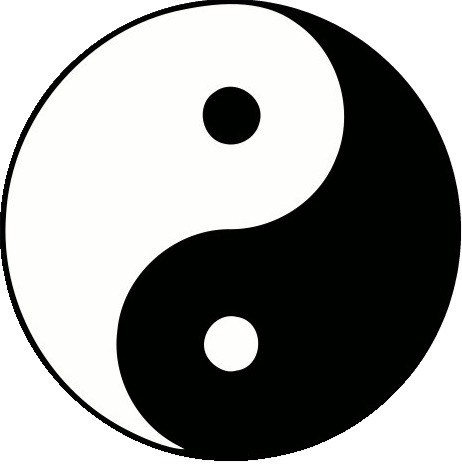
There is no picture for this post because it just looks like somebody quietly standing still, which is fair enough, so you could maybe envision moving from your centre in order to roll a tennis ball in your hands very slowly and work from there. Or you could meditate on the Tai Chi symbol while seeking to move in the way it implies, in three dimensions.
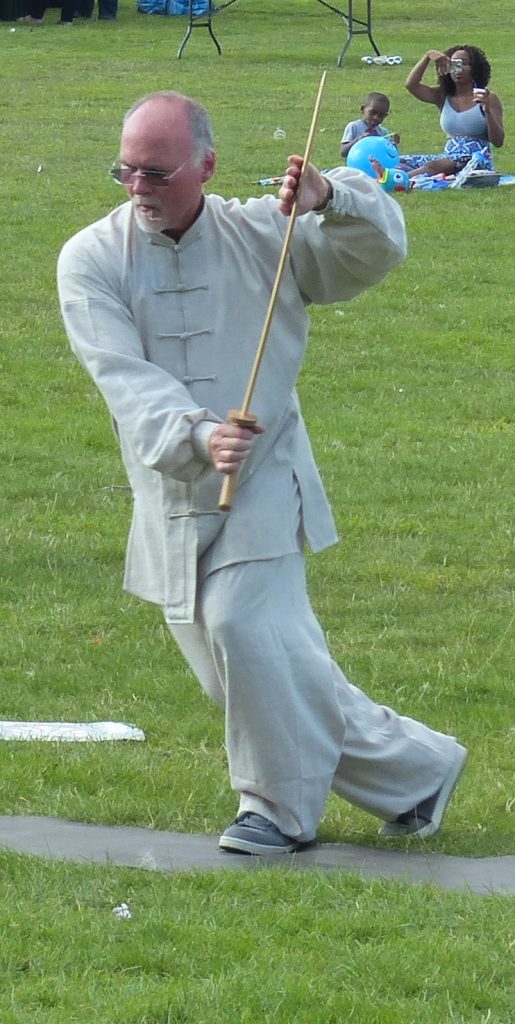
Much of the time, if we look at Tai Chi videos online, we see people doing large movements, generally moderately slow ( standard speed) or quite fast if they are trying to impress. If we go to a class moderate standard speed is probably the way we are taught but it is not the only way to practice Tai Chi – look a little further and we can see very fast practice, still likely to be large movements, but you are unlikely to see very small, very slow movements. It doesn’t look good on video and few students are attracted to it. I guess this practice is more akin to Chi Kung or Yiquan. Ultimately if you are interested in martial work then big movements are of little value except in training, unless you want to become a martial arts film star ( which many do of course).
Similarly for health in old age very small very soft movements are excellent practice. So please practice your forms and exercises at various speeds. In particular please do spend time on very slow and very small movements to study the feel of your body, to increase sensitivity and to aid relaxation and balance. You may well be surprised what you find. Then of course study this kind of movement in push hands if you are so inclined.
“Taking it easy” is the title of a piece in this week’s New Scientist which you can see here the author focuses on her favourite Yoga but notes that Tai Chi has a similar effect. Worth a read.
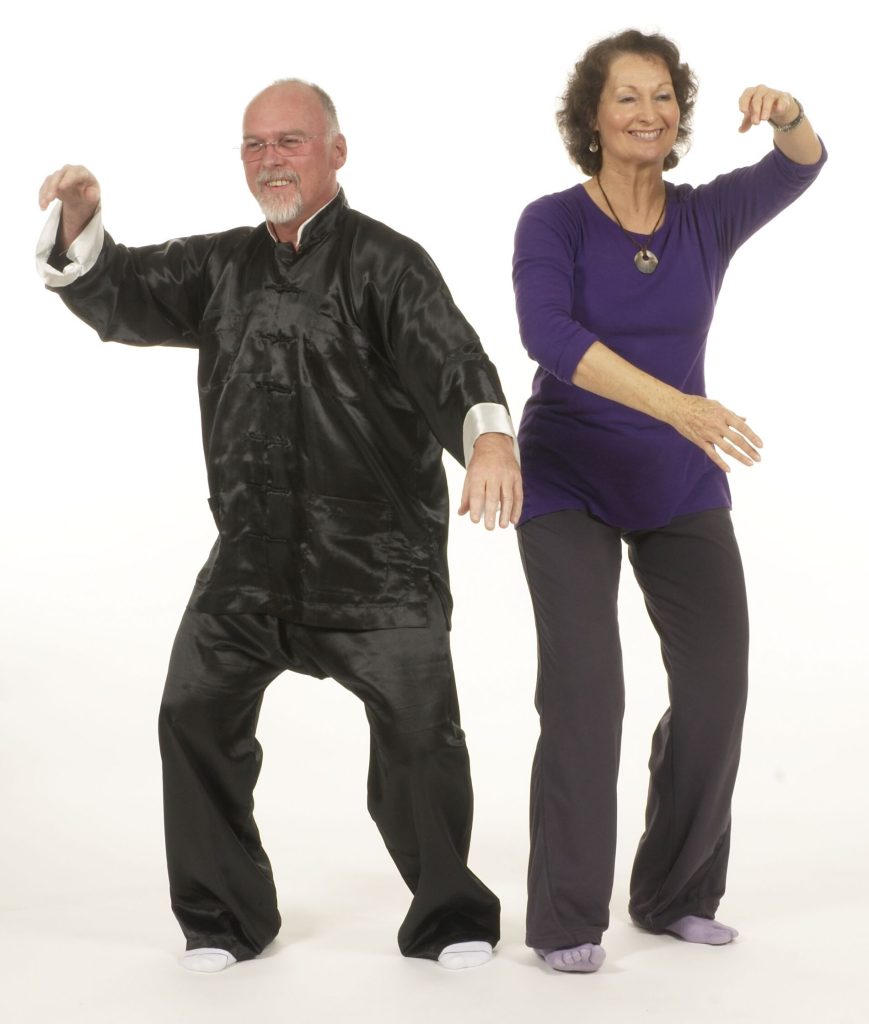
The first principle of Tai Chi movement is to relax and a balanced posture is vital to this. A good first step is to stand with feet apart and knees bent, then imagine a bungee attached to the top of your head, pull up the bungee until you are upright and attach it to an imaginary hook, then drop your knees and bounce on the end of your bungee.
To refine this you can tilt your pelvis up and down while feeling the lower back muscles, when they feel soft at the mid point then relax in that position. Pay attention to the chest and shoulders by letting them sink – do a similar forward and back exercise to find the soft mid point and let your shoulderblades sink down your back.
This should release your neck so that the head can rise lightly.
Further attention may be paid to releasing tension from the centre – ie hips and lower abdomen by imagining the pelvis to be a bowl holding water, then pull out the plug and allow all the tension to flow down your legs to the ground. Moving up we do the same with the chest and shoulders – again remove the plug and let all the water/tension flow down to the ground. Repeating this for the head/neck/face will drain the head so it feels light and can float up.
Savour the experience for a while and repeat frequently and observe changes in your usual posture. Better yet work with a friend who can give you feedback – like my friend Judy Hammond who does Alexander Technique and Moving Mindfully among other things
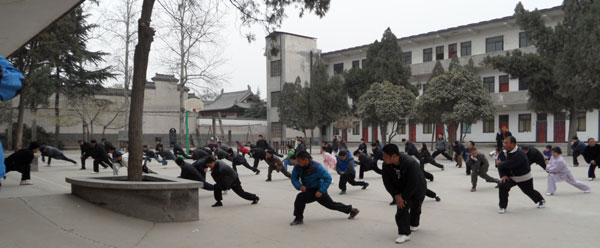
I often compare learning Tai Chi with learning to play an instrument ( which I can’t!) or to learning to ride a bike ( which I can!) or playing golf ( which I sort of can!) essentially, it is the same as learning any other physically based skill. Especially if a student is unused to developing a skill in a physical way ( maybe skiing or skateboarding?) then the process is likely to seem complicated and difficult plus the issue of learning repetitive choreography.
Add to this the reson that many people come to Tai Chi often involves a desire to improve/treat/cure a problem of lessening ability as they age, deal with a chronic condition or heal an injury. Then we have a tremendous mix of hurdles to approach and overcome – hence it is often difficult to maintain even a simple practice regime. Consequently we see many people drop out of classes at an early stage – they have met an unexpected persistance barrier.
Early on Tai Chi is difficult to understand for westerners – we lack the cultural background and feel awkward if we cannot do it well almost immediately. Never fear, have faith in the process, look for small changes – sometimes they appear quite quickly, othertimes it can take a long time – it takes persistance. Above all it requires practice – would you expect to learn an instrument with only one lesson a week and no daily practice?
So keep looking for changes in your body and how it moves. Keep track of positive and negative changes – practice in such a way that you maximise the positive and minimise the negative – you can do this by monitoring your movement and making changes accordingly. Embrace the repetitive patterns – learn a simple one and practice until you are comfortable with it, then move on. Persistance and practice are essential in this – then learn to observe how your teacher and other Tai Chi people move so you can learn to adjust how you move.
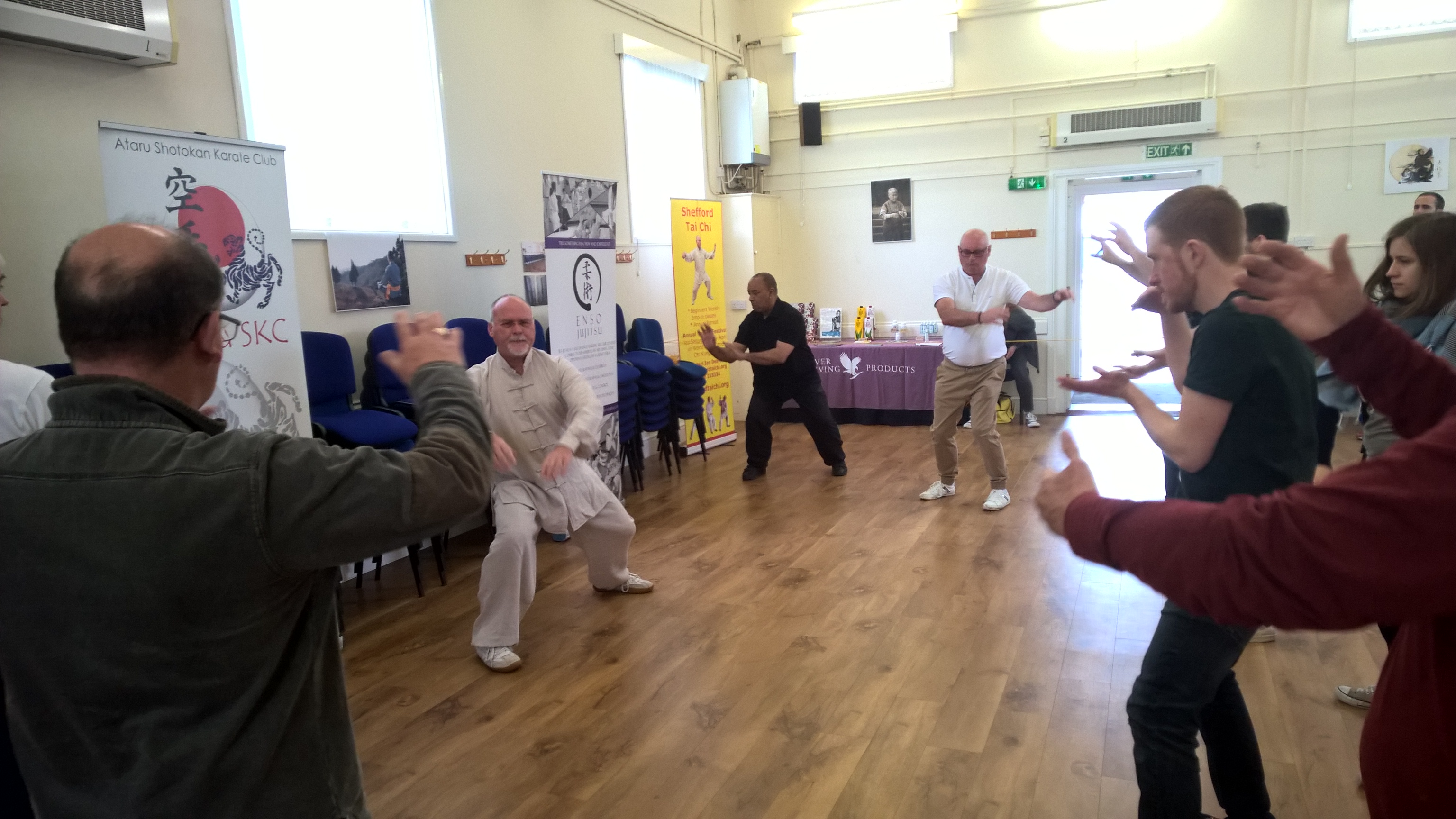
There will be no classes on Aug 31st and Sept 1st also Nov 2nd
Many people come to Tai Chi in later years, often with problems of posture, movement and balance – we should not think we can, or even attempt to deal with, everything all at once. Over the years our bodies take up habits of usage that enable us to survive – rushing in and trying to fix everything immediately is likely to cause further problems. So the first thing we should bear in mind is to be gentle with ourselves, then we can learn to look after ourselves.
Loosening is a vital part of this process but being careful to do nothing that is painful as that would only promote more tension. As we loosen our bodies then the structure can self adjust to enable improved posture and flexibility. Loosening involves relaxing and moving in such a way that we minimise muscle use and encourage passive movement.
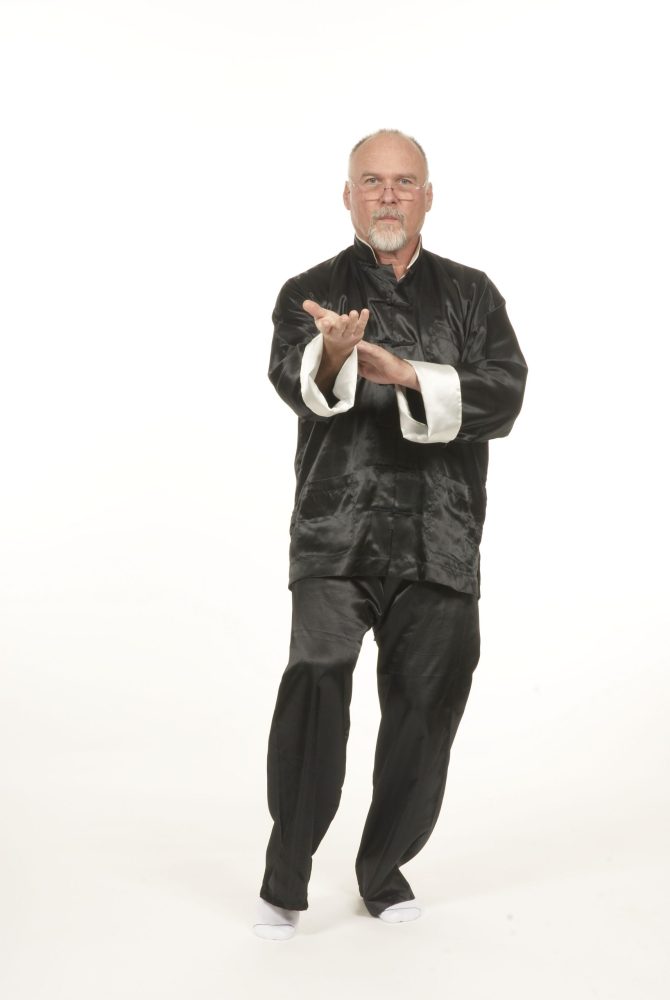
One of the many reasons for practising Tai Chi is to improve balance – a major concern for those of us past 50! So if you are past 50 or even 80 – it is worth asking “am I too late?” – no it isn’t.
Tai Chi classes offer a relaxed social environment in which to practice balance exercises and learn to raise your awareness of body structure and movement. Awareness which greatly aids in the management of all sorts of issues in daily life.

Much is made of mind, body, spirit in the “alternative” lifestyle – but truly this and the associated concepts such as mindfullness, natural movement, being in the moment, softness, balance, flow, awareness and many others have been at the heart of Tai Chi for at least the past 500 years.
Beginners classes at Shefford and Marston Moretaine offer a gateway into this amazing and challenging practice – learn to look after your self in mind, body and spirit.
BREAKING NEWS : Harvard University Recommends These 3 Activities Over Walking Or Running For Adults Over 60. As you might expect one of the activities is Taijiquan.
https://share.google/bL6yN6Wn5yBPisWxJ